The article contains data provided by Saxobank, Reuters, ICCO, HCCO, Hedgepoint
1.Season 2025/2026 is complete
In September 2026, the global cocoa market underwent a sharp correction and experienced its steepest weekly decline since February, falling from approximately $6.8k to $5.3k per ton, or around 20%. Among the catalysts behind this decline were:
- Higher supply: Cocoa exports from Côte d’Ivoire increased by 18%.
- Inventories: Stocks held in ICE exchange warehouses reached 3.42 million tons, the highest level in two years.
- Profit-taking: Following a local rally, investors began closing long positions on a large scale.
In addition, the market is experiencing a slowdown in demand as manufacturers reduce the share of cocoa in their products in response to high prices. Although exchange-traded cocoa prices began falling sharply a year ago, retail chocolate prices have so far not declined significantly in line with the commodity market. This is also weighing negatively on end-user demand, ultimately putting pressure on production volumes and cocoa bean purchases by producers.
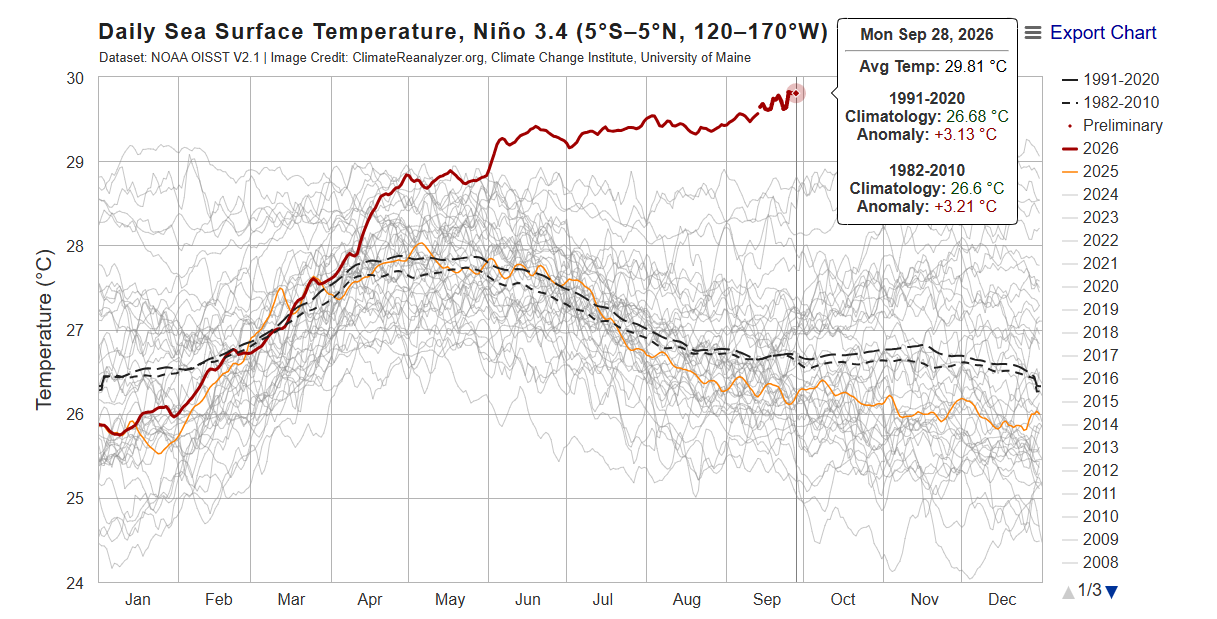
From a fundamental perspective, the situation surrounding the Super El Niño remains tense, with experts describing it as the largest El Niño event in the history of meteorological observations.
However, good crop yields and high warehouse inventories are preventing cocoa bean prices from developing a sustained upward trend. The entire market is awaiting the Q3 processing reports, expected in mid-October, which could provide a new catalyst for the market.
Côte d’Ivoire announced that it will keep the farm-gate purchase price for main-crop beans for the 2026/27 season at last year’s level, namely CFA 1,200.00 (approximately USD 2.12) per kilogram.
COCOBOD Ghana has slightly increased the purchase price for the 2026/27 crop to GH₵42,400.00 per ton (approximately USD 3,630.00), compared with GH₵41,392.00 per ton (approximately USD 3,500.00) in the 2025/26 season.
Togo has set the purchase price for the 2026/27 season at CFAF 2,240.00, or USD 3.89 per kilogram. The industry is going through a difficult period, with exports falling to 8,900.00 tons from 24,000.00 tons in the previous season, a decline of approximately 63%. At the same time, bean production increased by 7% to 23,084.00 tons.
Cocoa bean purchase prices in Cameroon currently reach as high as CFA 2,600.00 per kilogram (USD 4.52), or USD 4,520.00 per ton.
The impact of conflicts, which have had a significant effect on freight markets, diesel fuel, chemicals, and fertilizers, has gradually faded into the background. The market has taken a pause and is no longer paying as much attention to high fuel and fertilizer prices.
As of today, the exchange-traded cocoa price stands at EUR 4,760.00/mt.
The ratio on an FOB West Africa basis for spot deliveries is currently at the following levels:
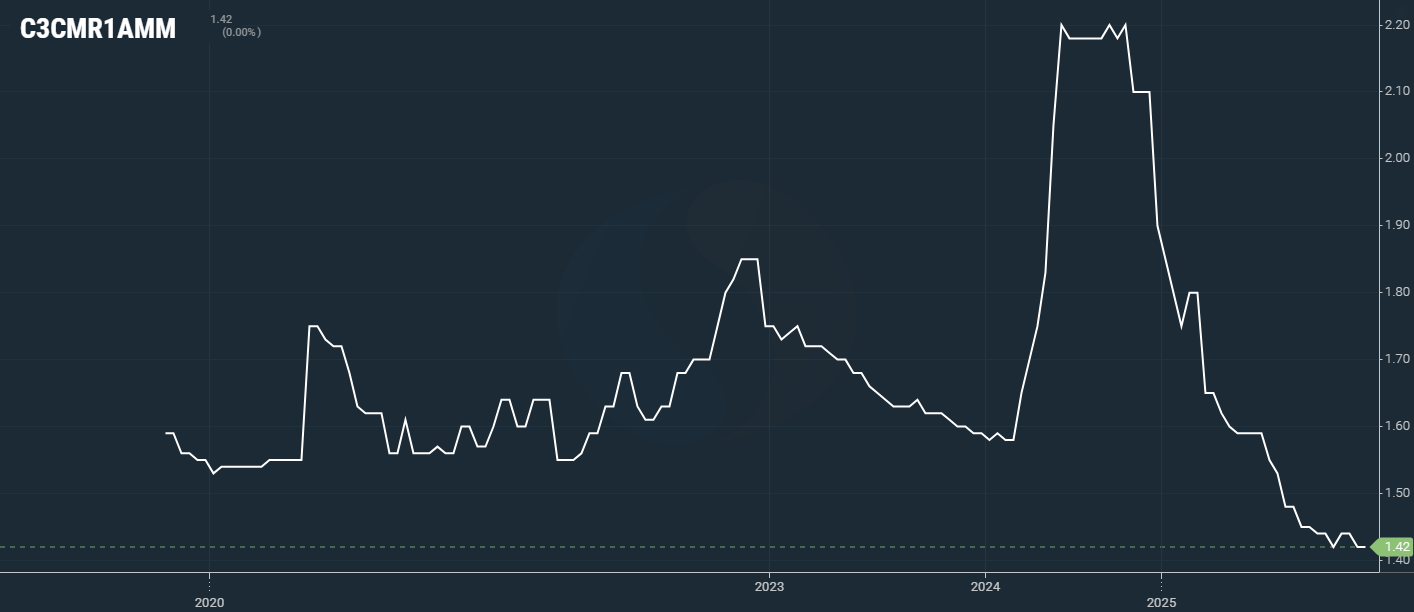
Cocoa liquor
A ratio of 1.42 indicates at least a temporary stabilization of this product.
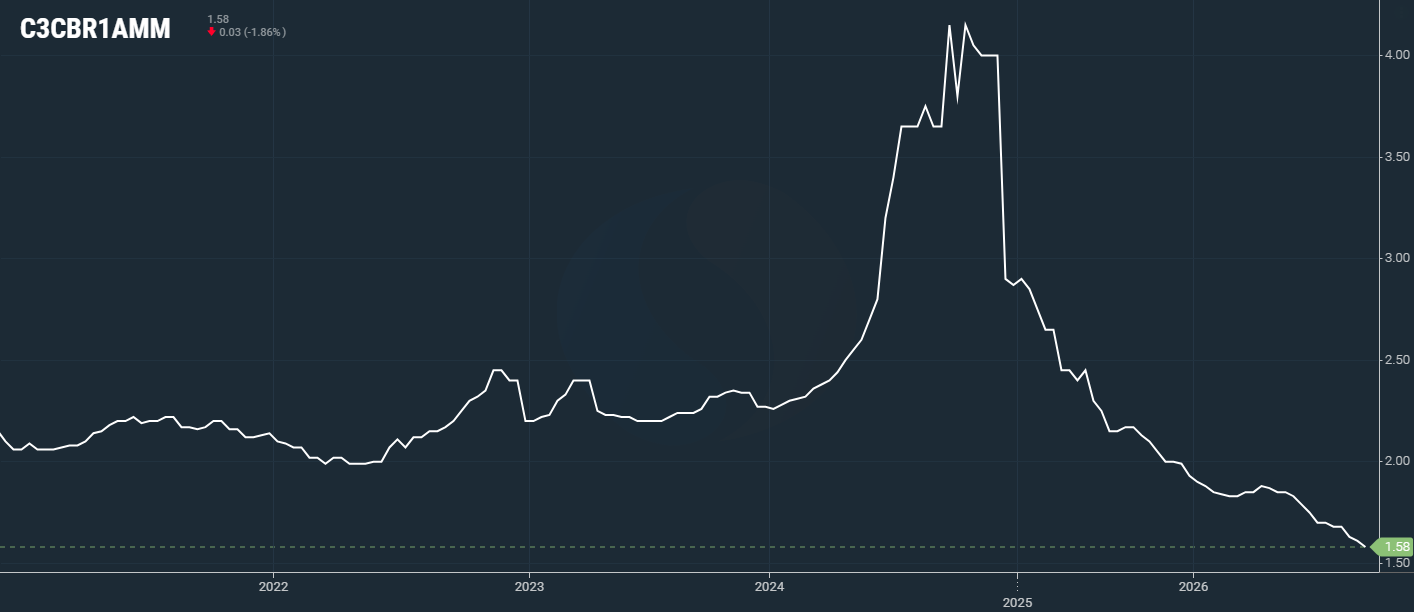
Natural cocoa butter
The ratio for natural cocoa butter stands at 1.58 and has shown a downward trend throughout September.
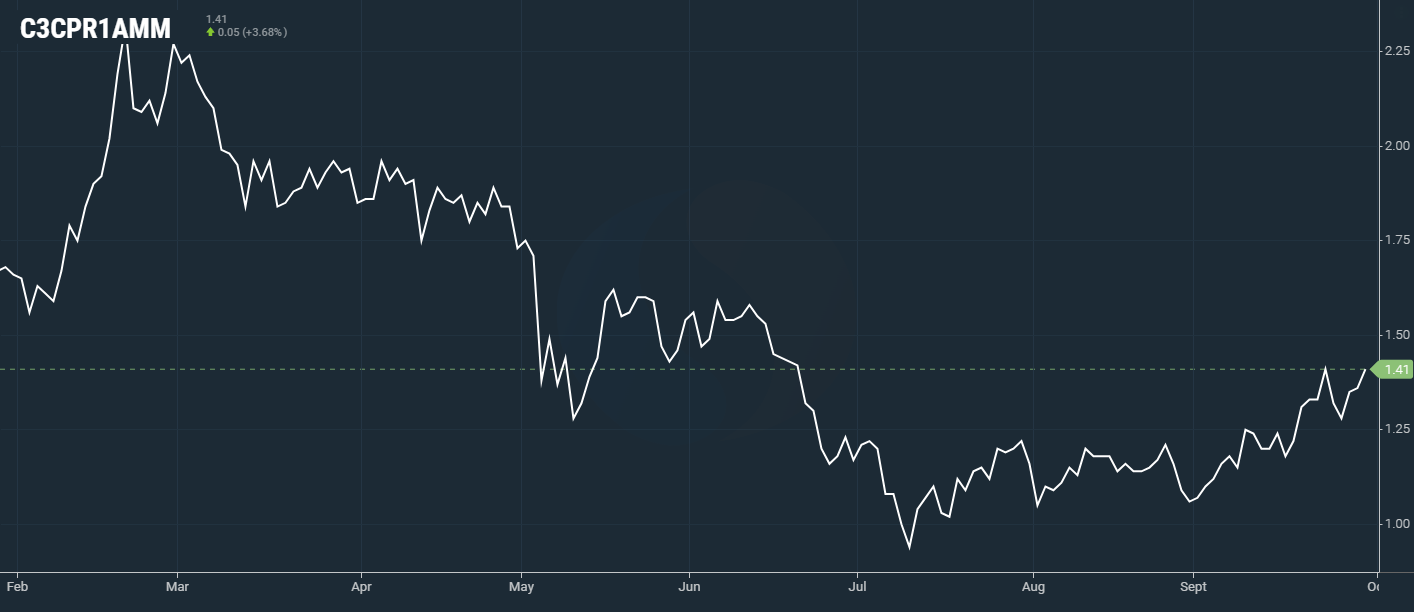
Cocoa powder
The cocoa powder ratio continued its upward trend from the previous month. The ratio currently stands at 1.41 against the exchange price, compared with 1.08 in August.
2.Technical Analysis
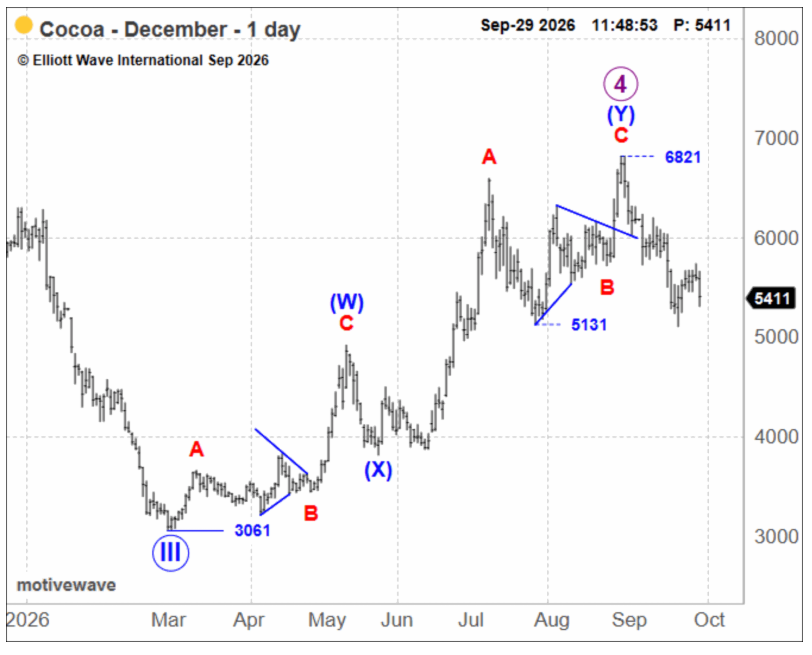
At the moment, the market is at a crossroads. Two completely different scenarios can be considered for cocoa:
1) Bearish scenario
A break below 5,131 could trigger a further decline toward 3,000 and below on the New York market. Weak consumption and a strong start to the main crop are the key factors supporting this scenario.
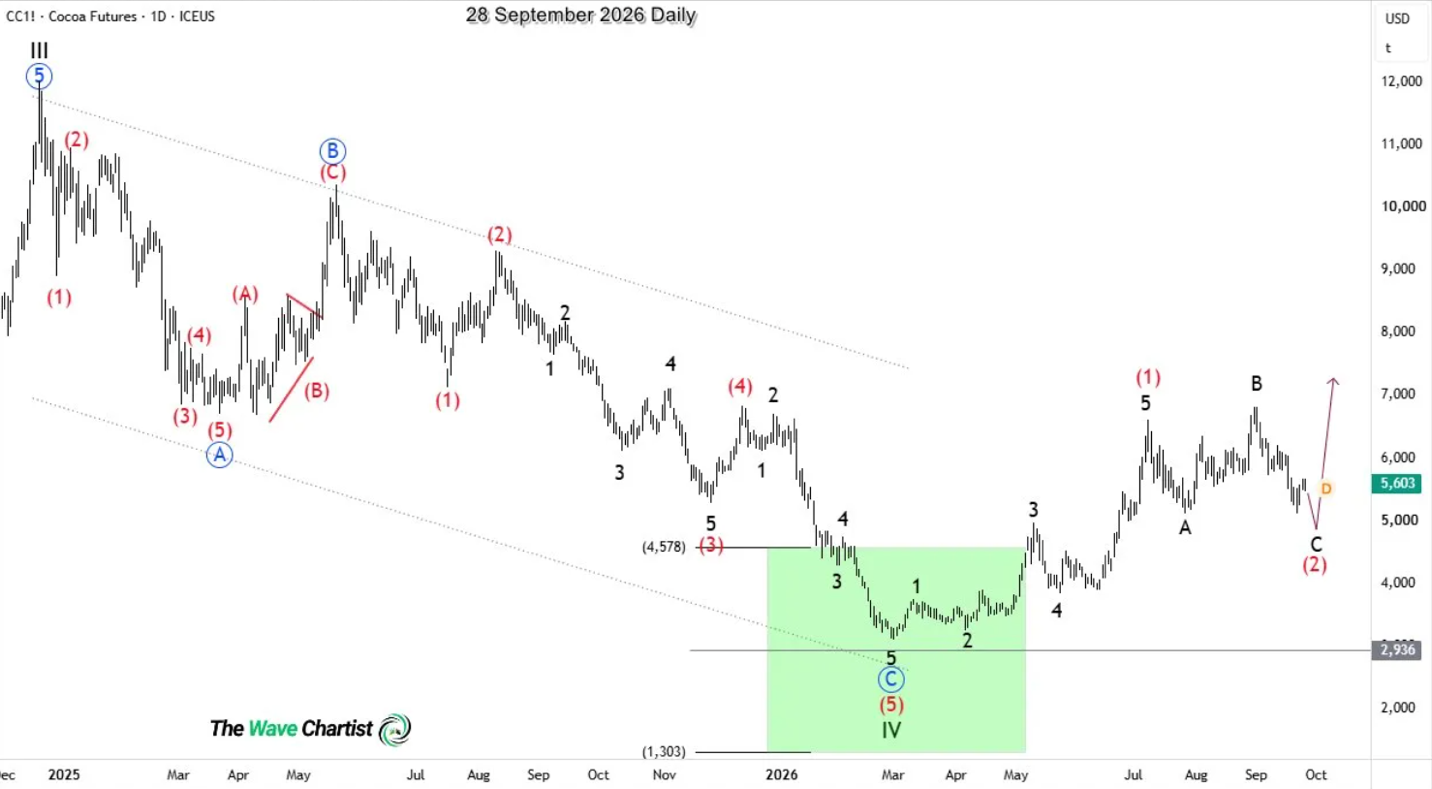
2) Bullish scenario
The impact of El Niño, together with a rise in the major commodity markets, could drive an increase across commodity derivatives, following the oil market, including coffee and cocoa.
It cannot be denied that the market has been oversold and moving downward for an extended period. Perhaps now, when the majority of market participants are expecting further declines, the market could instead reverse and move higher.
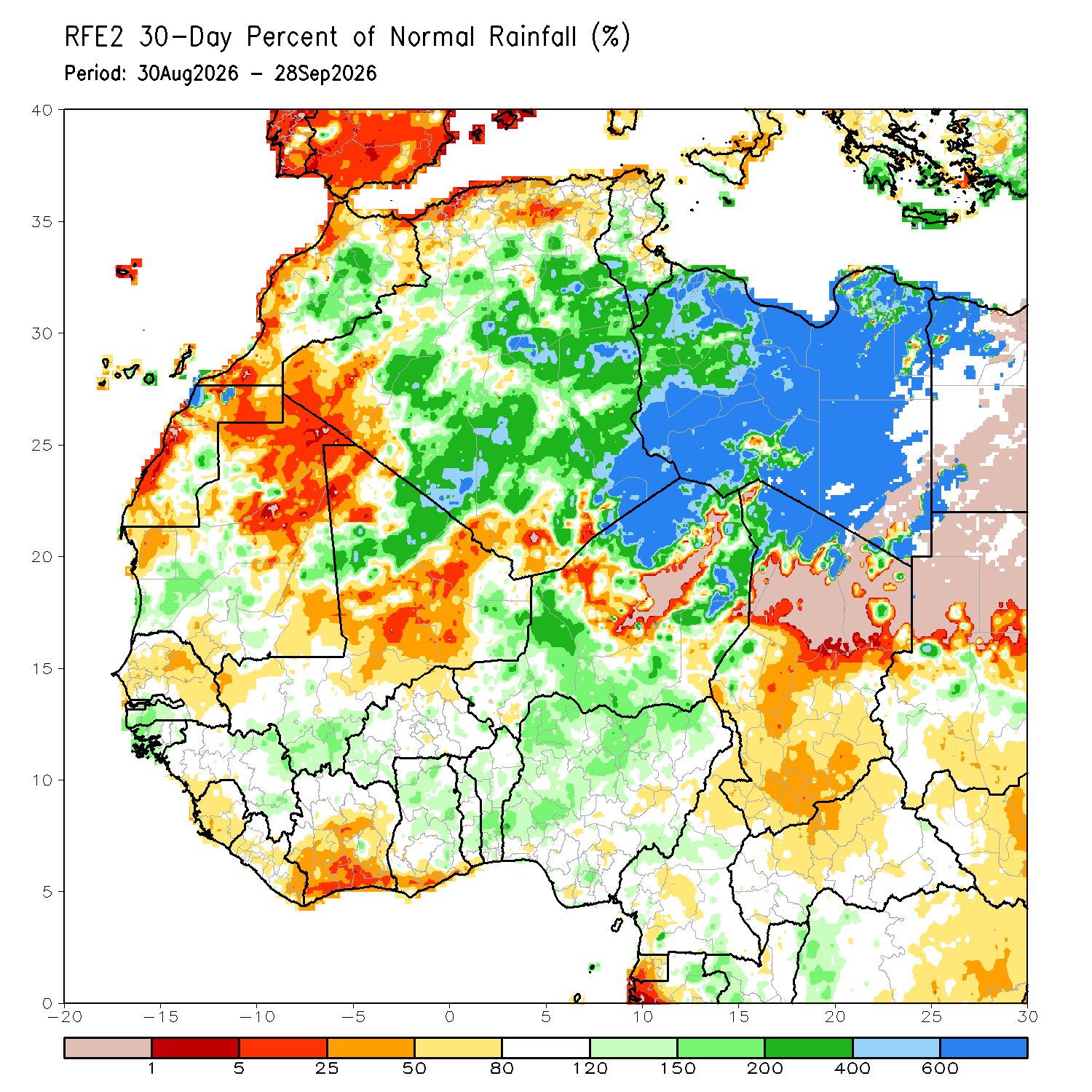
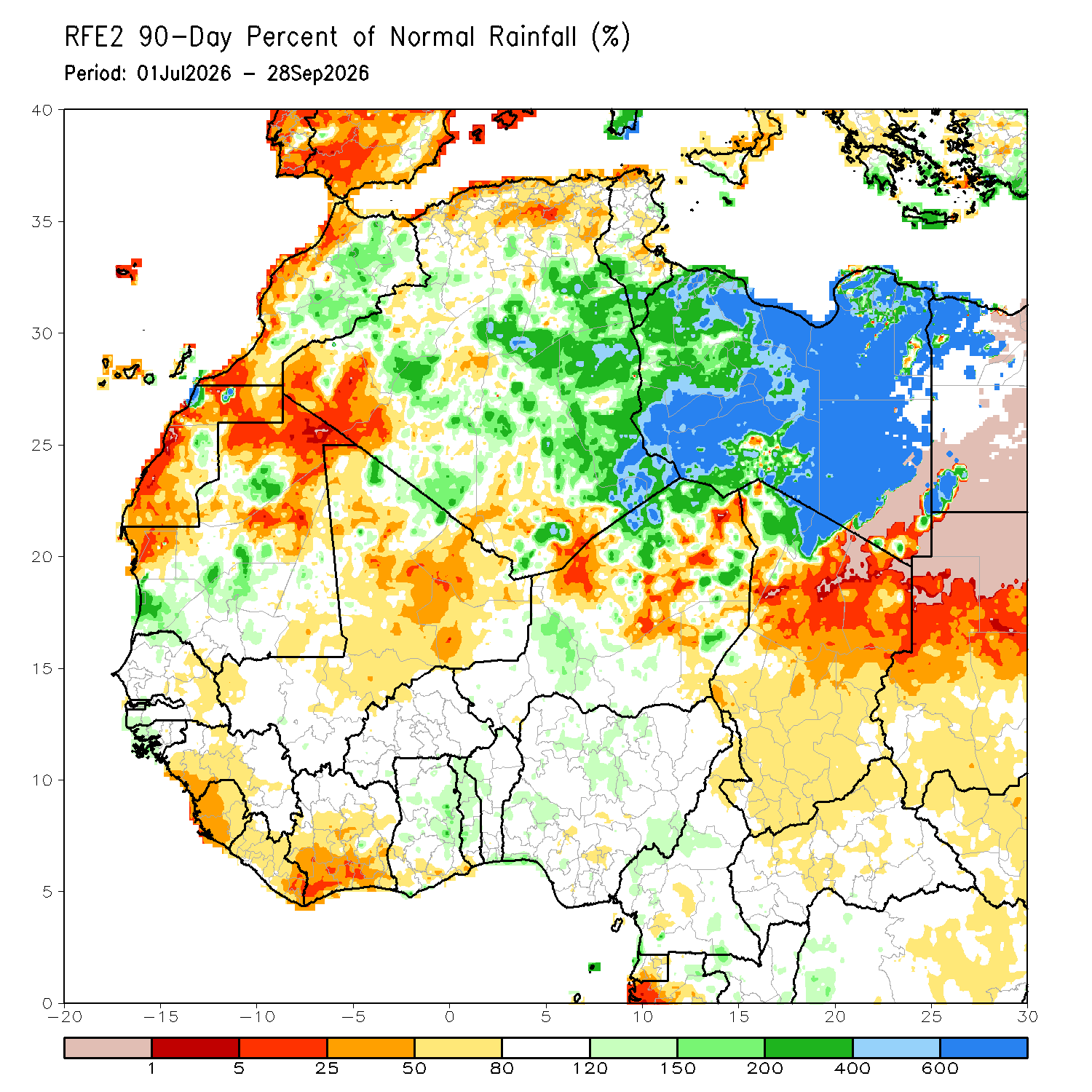
WEATHER
Super El Niño continues to develop, and the temperature anomaly has reached a record level in the entire history of meteorological observations. The rainfall map currently indicates some problems in West Africa; however, these do not yet affect Ghana and Nigeria, where a good start to the crop is expected.